
 Nagamandala – Sacred Serpent Worship Ritual of Coastal Karnataka
 Nagamandala – Sacred Serpent Worship Ritual of Coastal Karnataka


What is Nagamandalain ?
Nagamandala in Tulu Nadu is a sacred and visually stunning serpent worship ritual practiced in the Tulu Nadu region of coastal Karnataka, especially around Mangalore and Udupi. It is a unique blend of:
- Ritualistic worship
- Folk art
- Dance performance
- Devotional music
The term “Nagamandala” combines:
- “Naga” meaning serpent (snake deity)
- “Mandala” meaning a sacred circular design or pattern
This ritual is dedicated to serpent deities, believed to be powerful protectors of nature and fertility.
Nagamandala is deeply connected to the traditions and spiritual practices of Tulu Nadu, a region known for its rich cultural heritage.
Spiritual Significance of Nagamandala
In Tulu culture, snakes are not feared but deeply respected and worshipped. Nagamandala reflects ancient beliefs rooted in:
- Nature worship
- Fertility traditions
- Protection from misfortune
- Ancestral spiritual practices
Devotees perform Nagamandala to seek blessings for:
- Family well-being
- Protection from diseases
- Prosperity and harmony
Serpent deities are often linked with sacred groves known as “Naga Bana”, which are preserved forest patches.
Visitors interested in spiritual tourism can also explore some of the famous temples and sacred places across Mangalore.
The Ritual Process of Nagamandala
1. Drawing the Sacred Mandala


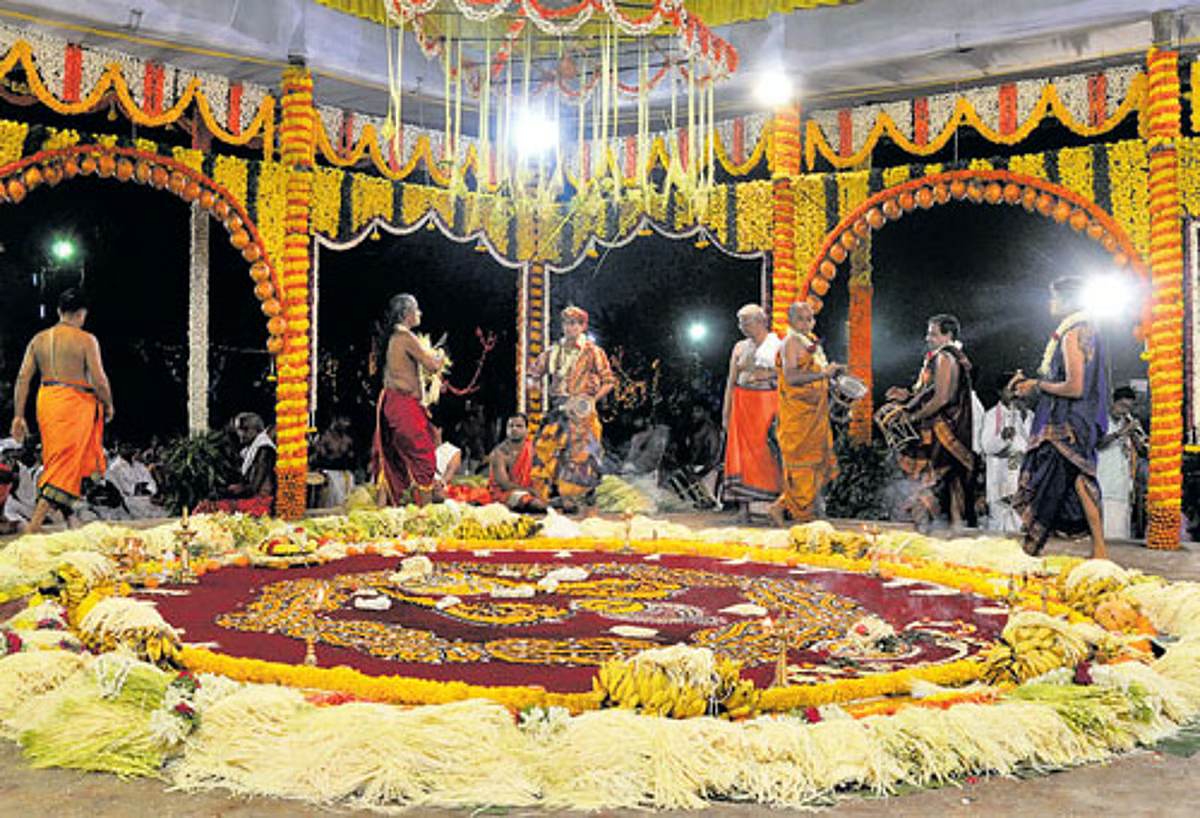
The ceremony begins with the creation of a large, colorful mandala on the ground using natural powders.
- Made using rice flour, turmeric, and natural colors
- Features intricate serpent patterns
- Symbolizes divine presence
This artwork is not just decorative—it is considered sacred and central to the ritual.
2. Ritual Dance Performance

A trained priest or performer dances around the mandala in a trance-like state.
- Represents the serpent spirit (Naga)
- Includes expressive movements and storytelling
- Performed overnight with devotion
The dancer is believed to become a medium between humans and divine serpent energy.
3. Devotional Music & Chanting
The ritual is accompanied by:
- Traditional musical instruments
- Sacred chants and hymns
- Continuous storytelling through song
This creates a powerful spiritual atmosphere that connects the community with divine energy.
4. Offerings and Prayers
Devotees offer:
- Milk
- Flowers
- Fruits
- Coconut
These offerings are made to please the serpent deities and seek blessings.
When and Where is Nagamandala Performed?
Nagamandala is usually conducted:
- During special religious occasions
- As a vow (harake) fulfillment
- In temples or sacred groves
It is most commonly seen in:
- Mangalore
- Udupi
- Dakshina Kannada villages
Cultural Importance of Nagamandalain Tulu Nadu
Nagamandala is not just a ritual—it is a living cultural heritage of Tulu Nadu.
Key Cultural Aspects:
- Preserves ancient traditions
- Promotes harmony with nature
- Strengthens community bonding
- Showcases traditional art and performance
Similar to Yakshagana and Kambala, Nagamandala plays a vital role in regional identity.
Symbolism Behind Serpent Worship
In Indian traditions, serpents symbolize:
- Fertility and rebirth
- Protection of land and water
- Cosmic energy (Kundalini)
Nagamandala reflects these beliefs through its rituals and visual storytelling.
Why Nagamandala is Unique
- Combines art, dance, and spirituality
- Conducted overnight with intense devotion
- Features rare and intricate floor designs
- Deeply rooted in eco-spiritual beliefs
Modern Relevance of Nagamandala In Tulu Nadu
Even today, Nagamandala continues to thrive because:
- Communities actively preserve it
- It attracts cultural researchers and tourists
- It promotes awareness of traditional ecology
However, efforts are being made to document and protect this ritual for future generations.
Conclusion
Nagamandala is one of the most mesmerizing and spiritually rich traditions of Tulu Nadu. From its intricate mandala art to its powerful ritual dance, it represents a deep connection between humans, nature, and the divine.
For anyone exploring the culture of Mangalore and coastal Karnataka, Nagamandala offers a truly unforgettable glimpse into ancient traditions that are still alive today.
According to historical references, Nagamandala is an ancient serpent worship ritual practiced in coastal Karnataka.